


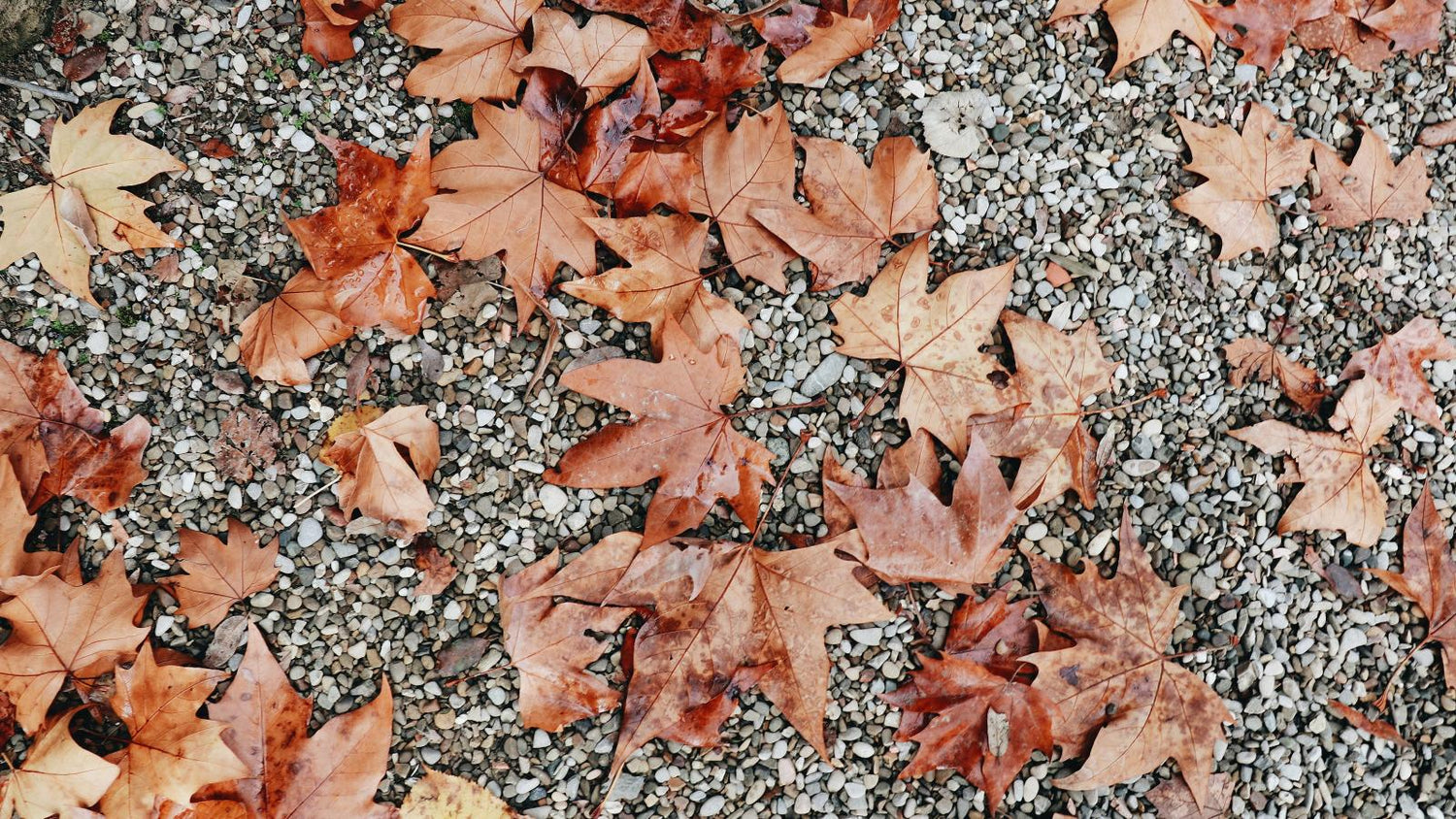
Gravel and decorative rocks are one of the easiest ways to upgrade your yard. Until they start moving.
If you’ve tried to keep rocks in place, you’ve probably come across three common solutions: gravel grids, landscape edging, and rock glue.
But here’s the confusing part: they don’t actually solve the same problem.
The Real Problem Most Homeowners Face
When rocks start shifting, it’s easy to assume you just need “something to hold them in place.”
But that’s not actually the problem.
There are three different problems happening at once:
- The base can shift or sink
- The edges can spread outward
- The surface layer keeps moving and disappearing
Most solutions only fix ONE of these. And the third one, surface movement is usually what causes the most frustration.

Source: Shabebe
What Are Gravel Grids?
Gravel grids are plastic or concrete honeycomb structures installed underneath your gravel.

What they do well:
- Provide structural support
- Prevent sinking and rutting
- Handle heavy loads (like driveways)
Where they fall short:
- Expensive and labor-intensive to install
- Requires digging and ground prep
- Do not stop the top layer from shifting
Even with grids, loose gravel on top can still move around.
What Is Landscape Edging?
Landscape edging creates a physical boundary around your gravel area.

Think of it as a fence - it keeps things in, but doesn’t keep them still.
What it helps with:
- Defines clean borders
- Keeps gravel from spilling into lawns or paths
Limitations:
- Only works at the edges
- Does not prevent movement inside the area
- Does not stop washout or surface shifting
What Is Rock Glue?
Rock Glue is a liquid binder applied to the surface of gravel or decorative rocks.
What Is Rock Glue and Why Homeowners Use It is the place to start.
 Source: Shabebe
What it does:
- Locks the top layer of stones together
- Prevents movement from wind, rain, and foot traffic
- Reduces material loss over time
Unlike rigid materials like concrete, it creates a flexible, permeable bond that keeps a natural look.
It’s the surface.
The Key Difference (Most People Miss This)
Here’s the simplest way to understand it:
- Gravel grids stabilize what’s underneath
- Edging controls where gravel can go
- Rock glue keeps the surface from moving
And the surface layer is what you see and constantly have to fix.
That’s why many homeowners still deal with:
- Messy, uneven surfaces
- Gravel spreading over time
- Having to refill material again and again
Even after installing grids or edging.
Which One Should You Use?
It depends on your project but here’s a simple breakdown:
Use Gravel Grids if:
- You’re building a driveway
- You need load-bearing support
- You’re dealing with soft or unstable ground
Use Edging if:
- You want clean, defined borders
- You need to separate gravel from lawn or soil
Use Rock Glue if:
- You want to stop gravel from moving
- You’re tired of constant maintenance
- You want a clean, finished look that lasts

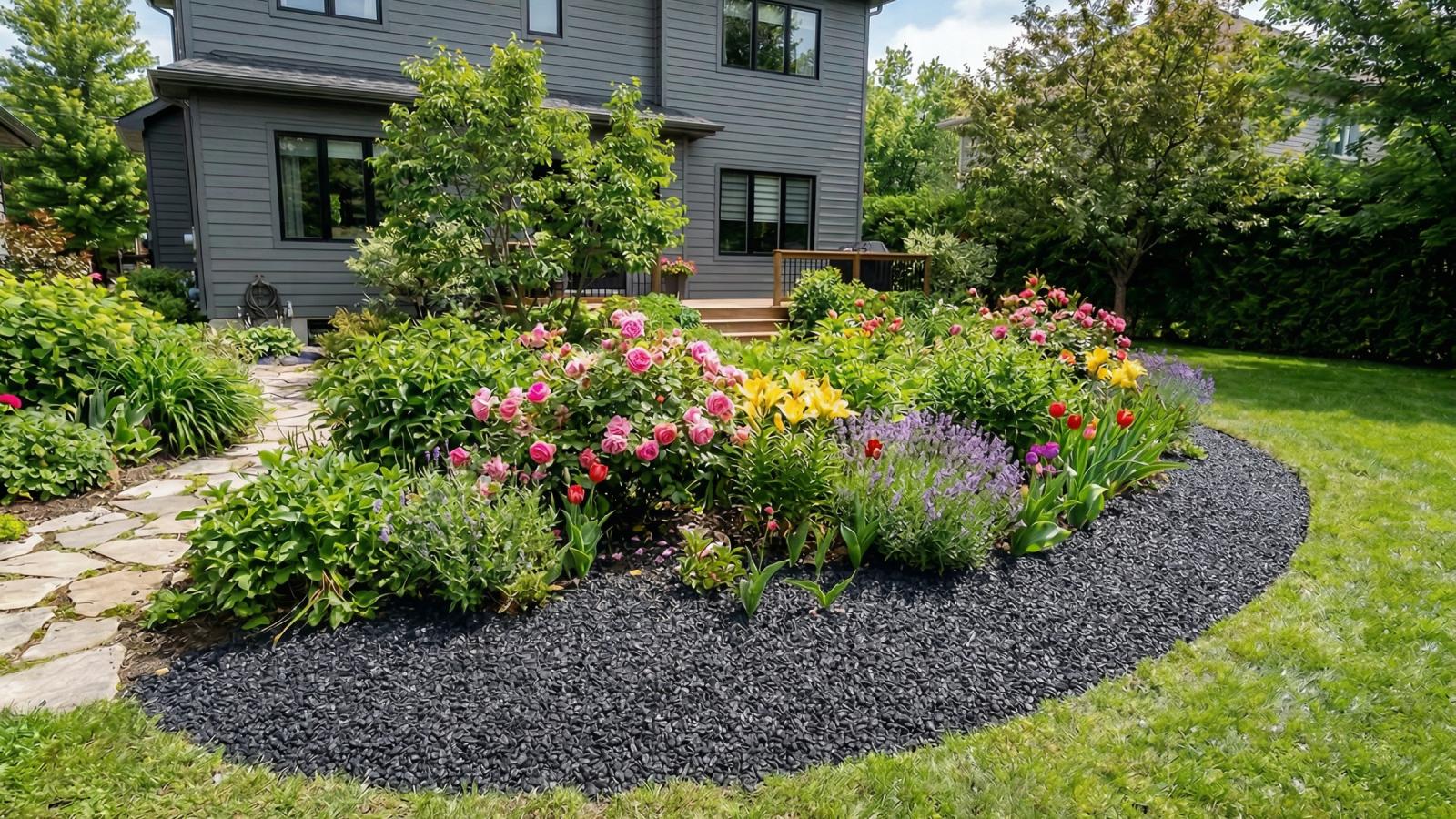
Photo by Rosemary Media
The Best Approach (For Most DIY Projects)
For typical homeowner projects like:
- Garden beds
- Walkways
- Patios
- Decorative areas
Rock glue alone is often enough.
It solves the most visible and frustrating problem: loose, shifting, disappearing gravel.
For more complex builds, you can combine solutions:
- Grids + Rock Glue → Maximum stability
- Edging + Rock Glue → Clean edges + locked surface
Stop fixing your gravel. Start locking it in.
Most solutions only solve part of the problem. Rock glue fills the gap by keeping everything in place where it matters most.
Frequently Asked Questions
Does rock glue replace gravel grids?
No, it serves a different purpose. Grids provide structural support, while rock glue stabilizes the surface.
Can I use rock glue with edging?
Yes, this is a common combination for clean and low-maintenance landscaping.
Will rock glue block water drainage?
No, Shabebe water-based formulas are permeable and allow water to pass through.
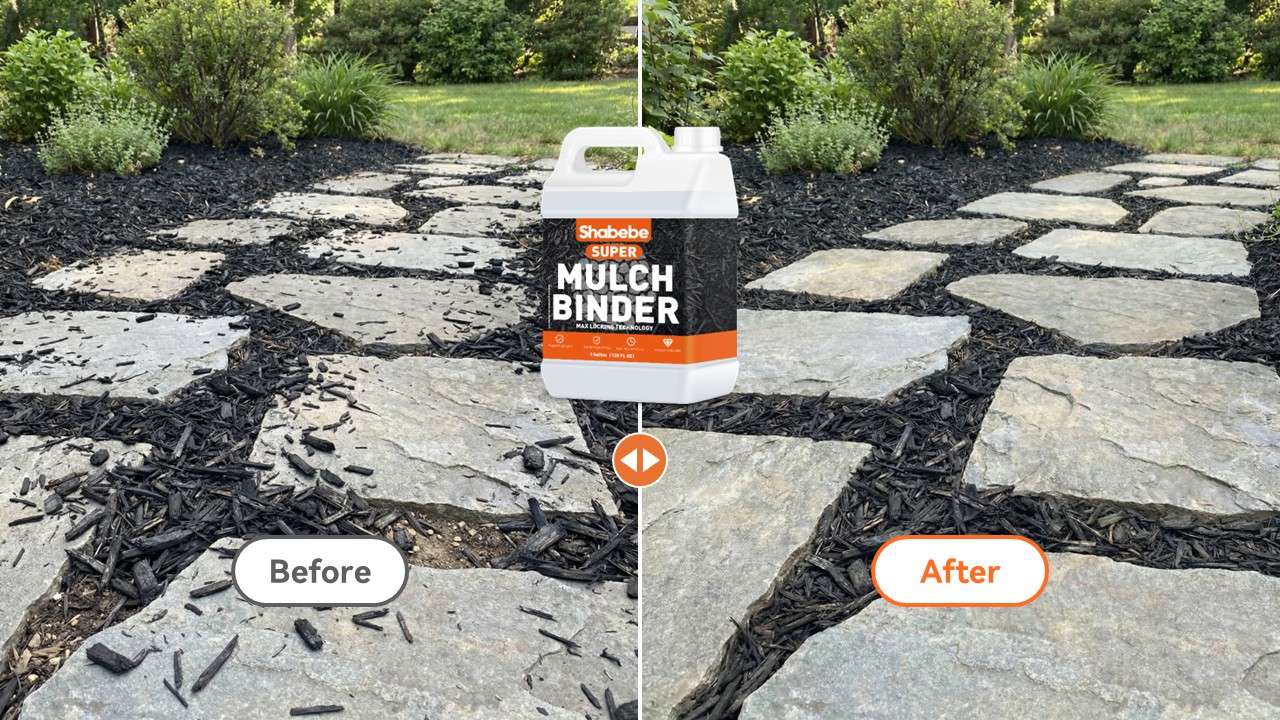
Mulch beds part of your landscape too? Here's the mulch glue guide.

Leave a comment
This site is protected by hCaptcha and the hCaptcha Privacy Policy and Terms of Service apply.